26 Most Colorful Birds In The World
26 Most Colorful Birds In The World
 |
| 26 Most Colorful Birds In The World |
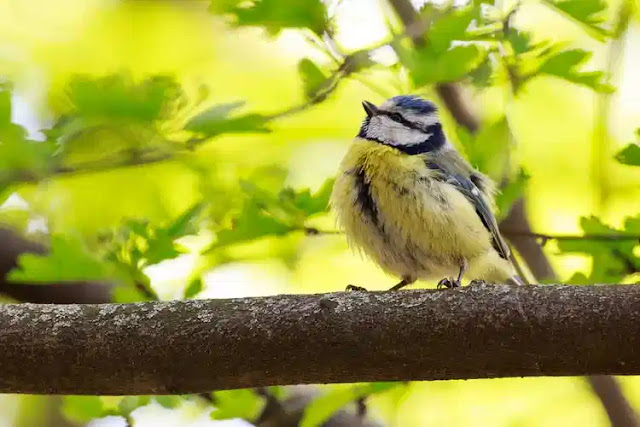
Colorful birds: Among terrestrial animals, birds are probably the most colorful in phrases of bodily appearance. As expected, the marvelous show of more than a few colorings and patterns proved using unique chicken species is very vital due to the fact birds themselves can apprehend colors.
Related post Types of Birds
Characteristics of Colors in Birds
List of Colorful Birds
1. Red-necked Tanager
2. Mandarin Duck
3. Blue Crowned Pigeon
4. Blue/Azure Kingfisher
5. Paradise Tanager
6. Andean Cock-of-the-Rock
7. Purple Gallinule
8. Yellow-collared Lovebird
9. Northern Cardinal
10. Curl-crested Aracari
11. Spangled Cotinga
12. Toco Toucan
13. Gouldian Finch
14. Red-bearded Bee Eater
15. Lilac-breasted Roller
16. Crimson Rosella
17. Splendid Fairy Wren
18. Crowned Woodnymph
19. Painted Bunting
20. Indian Peafowl
21. Scarlet Macaw
22. The Resplendent Quetzal
23. Rainbow Lorikeet
24. Golden Peasant
25. Scarlet-chested Parakeet
26. Wilson’s Bird-of-Paradise
Related post Ten Lines on Parrot
 |
| 26 Most Colorful Birds In The World |
Characteristics of Colors in Birds
Regarding bodily appearance, most chook show off sexual dimorphism, a trait whereby men are distinctly distinguishable from females. Males appear to be extra vibrant and extra remarkable than women for one obvious reason: to entice girls at some stage in mating.Collectively speaking, chicken feathers are referred to as the plumage. In particular, the plumage color in birds is shaped in two extraordinary processes:
A) On one hand, colorful feathers are delivered by way of several pigments produced using birds. Such pigments are melanin, carotenoid, and porphyrin. The pigment melanin produces colors that range from light yellow to reddish-brown up to the darkest black. The pigment carotenoid is what produces the colorations ranging from vibrant yellow to orangish-yellow. For instance, the interplay of the pigments melanin and carotenoid produces an olive-green color. Lastly, the pigment porphyrin produces a range of hues such as brown, brilliant red, pink, and green.
B) On the different hand, hen feather hues are produced via the shape of the feathers themselves. Meaning, as an alternative of the pigments, hues are made when the mild receives refracted by way of the proteins located in the feathers. Three structural feathers exist namely:
 |
| 26 Most Colorful Birds In The World |
Iridescent Feathers: Iridescent feathers can alternate their shade at special viewing angles.
Non-iridescent Feathers: Non-iridescent feathers can exchange from blue to brown relying on mild conditions.
Ultraviolet Feathers: Ultraviolet feathers can mirror mild located inside the ultraviolet range.
Henceforth, listed under are the 26 most lovely birds of the world in the Class Aves (birds) of the Animal Kingdom with Phylum as Chordata.
You can see the IUCN crimson listing classes for every one of these colorful birds listed under which represents the vulnerability of the species at present. This degree from Extinct to Least Concern.
List of Colorful Birds
Here we go! Welcome to the world of colorful birds!
1. Red-necked Tanager
Least ConcernEndemic to Eastern South America, the purple necked tanager seems to be very vivid with its yellow-orange wings, brilliant pink chin, deep blue crown and decrease neck, and a great inexperienced underneath.
These vibrant birds are recognized to stay in the cover of forests and are characterized using their sharp “sip” sounding voices.
Generally, the red-necked Tanager molts (sheds its feathers) as soon as in a year.
2. Mandarin Duck
Least ConcernRegarded as the world’s most lovely duck, this native from China (hence the name) and Japan, this duck shows a broad array of shades such as blue, green, copper, and silver.
While each gender of the duck has crested, this shape is greater distinguished on males, probably due to the fact this is broadly speaking used to entice at some point of mating.
In addition to that, adult males show up to be golden in appearance.
3. Blue Crowned Pigeon
VulnerableAlso recognized as the Western topped pigeon, the blue topped pigeon is characterized with the aid of having massive blue crests in the head, and deep blue feathers around the eyes.
Western topped pigeons are very giant pigeons and in reality, viewed as one of the “fairest” individuals of the Family Columbidae (Pigeons).
Generally, like most birds in the animal kingdom, male blue topped pigeons are large as in contrast to their girl counterparts.
These colorful birds are native to Papua New Guinea and they have a tendency to be dispersed in the rains-forests of the islands.
4. Blue/Azure Kingfisher
Least ConcernKnown to be extraordinary fish hunters from the riverside and on occasion above the water surface, blue kingfishers are small to medium measurement birds that have a very colorful appearance.
The feathers of kingfishers are often vivid blue/azure (hence the name) in color.
Unlike most birds, the feather shade of kingfishers is triggered by way of the shape of the feathers themselves. Such reasons the scattering of blue mild and is then mirrored in our eyes, making them show up blue.
The distribution sample of kingfishers is cosmopolitan. Meaning, they manifest at some stage in the world, even in both temperate or tropical regions.
5. Paradise Tanager
Least ConcernClassy, neotropical, and colorful, the Paradise Tanager is actually dwelling up to its name. This bird, extensively allotted in the tropical forests of the Amazon in South America, is small but very colorful with its vibrant apple inexperienced head, yellow or purple rump (depending on species), and blue abdomen.
Aside from its appearance, the paradise tanager is a songbird, meaning, it can make more than a few musical sounds that are satisfactory to the ears.
One disclaimer though, this fowl is now not determined in Chile, regardless of its species identify T. chilensis.
6. Andean Cock-of-the-Rock
Least ConcernConsidered the countrywide chicken of Peru, this small to medium-sized chook made it to the listing of most colorful birds.
Male Andean Cock-of-the-Rock birds are greater colorful with their brilliant pink head, breast, throat, and shoulders. They have gray wings, typical black underparts, and very outstanding disk crests over their bill.
On the different hand, the woman birds are orange to brown in shade and have smaller crests.
This fowl is normally discovered in the heat areas and generally live riverbanks and wooded area streams.
7. Purple Gallinule
Least concern Purple Gallinule is regarded as one of the most lovely birds principally due to the fact of its plumage that shows a range of colors.Overall, this hen has a crimson head, throat, and underparts, an inexperienced back, a blue forehead, and a pink beak with a yellow tip.
Added to this area of expertise is its legs which are yellow in color.
Interestingly, these colorful birds swim like geese however can step on floating leaves like chickens.
Basically, this species of fowl is extensively dispensed in the humid and tropical areas of the United States.
8. Yellow-collared Lovebird
Least ConcernAlso regarded as Masked lovebirds, yellow collared lovebirds are small colorful birds that are commonly inexperienced in look (although higher components are darker). In addition to that, they have black-colored heads and white eyerings, and very brilliant pink beaks.
As their identity suggests, they have a yellow collar which is prolonged to the nape of the neck.
Interestingly enough, the men and women of this species seem to be equal in appearance.
These vibrant birds are endemic to Tanzania however have been already added to different nations like Kenya and Burundi.
9. Northern Cardinal
Least ConcernEndemic to each North and South America, the Northern Cardinali's fowl is a songbird characterized via placing purple and black face masks which extends up to the top chest.
Females of this fowl kind are proven to be brown to grayish with some tints of crimson in their wings.
Male Northern Cardinals have extra described face masks.
At an early age, the hues of each man and ladies are equal to the grownup females. But when fall comes, they have a tendency to shed their historical feathers and develop out new ones.
The identity of this hen (both scientific and frequent name) comes from the “cardinals” of the Roman Catholic Church who typically are carrying crimson caps and robes.
10. Curl-crested Aracari
Piciformes Ramphastidae Pteroglossus Pteroglossus beauharnaesii
Least ConcernComing from the Family Ramphastidae (Toucans), this chicken is regarded as one of the most colorful but strangest searching fowl in the world. This fowl is characterized with the aid of having yellow underparts, crimson back, darkish inexperienced wings, and a very colorful beak.
This chicken has uncommon head feathers that can be likened to bright black plastics.
This fowl is endemic only to the lowland forests of Western Brazil, Northern Bolivia, and Southern Amazon.
11. Spangled Cotinga
Least concern Spangled Cotinga is a kind of fowl that regularly resides in the cover of the Amazonian forests.
Like any different fowl species, male Spangled Cotingas are very brightly colored–they are turquoise in look with tints black in their returned and wings, and a vivid pink neck.
On the different hand, women are duller in color with a usual brown to the grayish physique with the outstanding crimson throat.
Interestingly, the Spangled Cotinga hen lacks genuine vocalization. Meaning, it can solely emit a “whistling” form of sound as it flaps its wings when flying.
12. Toco Toucan
Least ConcernCharacterized via its very outstanding multicolored beak, the Toco Toucan is the greatest amongst all toucans. Aside from that, it is very recognizable due to its extraordinarily black body, white throat, and blue eye rings.
Aside from its bodily appearance, the toucan chook makes the first-rate creature due to the fact it can in some way adjust its normal physique temperature through basically altering the blood glide in their beak.
The Toco Toucan is endemic to South America and inhabits the savannas, tropical forests, and the shrubland.
13. Gouldian Finch
Nearly ThreatenedAlso regarded as the Rainbow finch, the Gouldian Finch is generally discovered in the savanna woodlands of Northern and Western Australia.Like any birds, the male Gouldian Finch is extraordinarily recognizable from its woman counterpart. Basically, adult males show up greater brightly colored and have extra difficult color marks and patterns.
Both genders have green, black, yellow, and pink markings. However, the chests of the adult males are crimson whilst that of the girls is lilac.
14. Red-bearded Bee Eater
Least ConcernAs its title suggests, the Red Bearded Bee Eater is a bee-eater kind of chook that resides in the dense forests of the Indo-Malayan areas of South East Asia.
This hen has an ordinary inexperienced color and an outstanding pink color in its face up to its throat (hence its name).
In addition to that, they are characterized by using having lengthy tail feathers and curved break, and very pointed wings.
15. Lilac-breasted Roller
Least ConcernA member of the hen Family Coraciidae (Rollers), the Lilac-breasted Rollers are extensively disbursed in the Eastern and Southern Africa.
Generally, this chook has a prosperous lilac coloration for its breast, faded inexperienced head, violet wings (shoulders, flight feathers, and rump), faded greenish blue coverts, blue underparts, brown again and scapulars, and black tail feathers.
The lilac-breasted roller, like any different rollers, are well-known for their courtship flight.
16. Crimson Rosella
Least ConcernAs its title suggests, the Crimson Rosella is especially characterized by way of its crimson body. Apart from that, the again and wing feathers are black however with some tints of red. Its flight feathers have an alternate faded to darkish blue patches.
Most Crimson Rosella stays in the moist forests of Northern Queensland and in South Australia.
17. Splendid Fairy Wren
Passeriformes Maluridae Malurus Malurus splendens
Least concern Splendid Fairy Wren is regarded to inhabit in the semi-arid to arid woodlands and shrublands of Australia.
The feathers of the male Fairy wren is dominantly blue (cobalt blue to violet-blue) in color. Its beak and legs are black and brown to grey respectively.
On the other hand, the girl Fairy-wren is paler in shade with a universal brown shade and white underparts. However, ladies have a distinguishable reddish tan line which extends from the beak up to the eyes.
18. Crowned Woodnymph
Least concern Crowned timber nymphs are contributors of the genus Thalurania which is composed of hummingbirds. These kinds of hummingbirds commonly stay in Eastern Panama up to Southern Ecuador.
As its title suggests, the violet topped woodnymph is the sole woodnymph that has a glittering inexperienced crown.
Male Crowned Wood Nymphs are characterized by using having inexperienced neck and a blue breast and abdomen.
On the different hand, the lady kind of this chicken is paler in shade with a grey colored neck and a darkish inexperienced to the grey abdomen.
19. Painted Bunting
Nearly ThreatenedThe Painted Bunting chook is a member of the hen Family Cardinalidae which is endemic to North America.The male Painted Bunting has the French name, nonpareil which ability “without equal”, for that reason referring to its extraordinarily charming appearance. Basically, the male plumage shows a huge range of hues such as blue, green. Red, and yellow.
The girl kind of this chicken is distinguishable due to its very outstanding vivid inexperienced color.
20. Indian Peafowl
Least ConcernAs its identity implies the Indian peafowl can be determined in India, Sri Lanka, in different nations of South Asia.
The Indian Peafowl is a member of the team known as pheasants whereby the men are referred to as the peacocks whereas girls are peahens. Collectively, they are known as the peafowls.
Like any different birds which show a sexually dimorphic trait, peacocks have an astonishing fan (up to 5 feet) of feathers of incredible shades that grows from its back. Aside from that, adult males have a truly head crest and inexperienced throat feathers. As the brilliant, shimmering patterns of peacock feathers are iconic to see, some cultures treat them as sacred artifacts for prosperity.
The vividly colored male peacock woos the lady using spreading an amazing fan of iridescent feathers with huge glowing eyes. If the girl is sufficiently impressed, she might also permit him to mate.
On the different hand, peahens are duller in shade with solely a general brown physique with a white abdomen.
21. Scarlet Macaw
Least ConcernMacaws are regarded as the greatest species of colorful parrots in the world. For instance, scarlet macaws are extensively disbursed in the rainforests of Mexico, and Central and Southern America.
Generally, the scarlet macaw, apart from its typical pink color, shows a large combine of green, yellow, and blue feathers.
Aside from that, macaws are regarded as one of the most shrewd birds as they spend a lot of time in the usage of more than a few pieces of equipment and enjoying with objects.
22. The Resplendent Quetzal
Nearly ThreatenedA member of the Trogan fowl family, this chook resides in the mountainous areas of Central America.Interestingly enough, the iridescent color of these chicken adjustments from inexperienced to blue relying on the time of the day.
The Quetzal is recognized to inhabit the mountainous and tropical forests of Central America.
23. Rainbow Lorikeet
Least ConcernOften viewed in flocks, this chook is very distinguishable due to its feathers that tiers from green, blue, orange, and yellow.
Aside from that, its most placing function is its beak which is vivid crimson in color.
Both sexes of this fowl are the same in bodily appearance.
A lorikeet’s tongue has a brush-like tip for gathering nectar, fruits, and insects.
Lorikeets are communal birds – they collect in the night time as a crew to spend the night.
Basically, Rainbow Lorikeets are allotted in the coastal areas of Northern and Eastern Australia.
24. Golden Peasant
Least ConcernAlso regarded as the Chinese Pheasant, the Golden Pheasant is a very timid chicken that normally resides in the darkish forests at day and solely comes out at some stage in the night.
Exhibiting sexually dimorphic traits, the male Golden Pheasants are distinguishable due to the fact of its golden crest. Aside from that, it has a brilliant purple abdomen, darkish colored wings, and a lengthy patterned brown tail.
On the different hand, the woman Golden Pheasant is much less colorful in look with a common brown physique and faded yellow legs. The woman fowl is additionally thinner and greater slender.
As its identity suggests, the Golden Pheasant can be determined in the forests of central and western components of China.
25. Scarlet-chested Parakeet
Least ConcernOur subsequent colorful fowl is the lovely Scarlet-chested parrot (aka scarlet-breasted parrot). These colorful birds are endemic to Southern Central Australia and some components of Southern Western Australia.
Appearance-wise, these birds have two varieties (i.e., sexually dimorphic). The brilliant blue-faced with scarlet chest and yellowish decrease section amongst the inexperienced plumage is the male whereas, the girl is nearly the identical barring lacking the purple shade in the chest.
Diet-wise, these colorful birds feed on grass seeds. These parakeets can remain for a long time beside the water as they devour succulent flora which assists them to preserve hydrated.
The binomial title for the Scarlet-chested parrot is Neophema Splendida, which was once named by using the well-known ornithologist John Gould in 1841.
Breeding season for these parrots starts off evolved from August to October.
26. Wilson’s Bird-of-Paradise
Nearly ThreatenedLast however honestly no longer the least is the Bird-of-Paradise, which is no longer to be harassed with the Birds of Paradise plant. Most Bird-of-Paradise birds are dispensed in Papua New Guinea, Australia, and Eastern Indonesia.
The male kind of this chook is proven to show off a large range of colors: a distinguished turquoise crown, yellow cape, purple back, and inexperienced breast and tail feathers.
Interestingly though, the crowns of the adult males are now not feathers however genuinely naked skin. Criss-crossed through black traces of feathers.
Females are duller in look with lilac-blue head, reddish higher body, and brown wings. Also, women lack tail feathers.
While these colorful birds are surely spectacular, some of them turning into endangered even in their native habitats. Due to their colorful and special plumage, they have emerged as a goal for many hunters in the forest. Another principal hazard to these birds is the loss of habitats due to the deforestation and the surroundings in general.